
Expedition Date: October
Location: Carter House
Expedition Description: Carter House Experience: Life of the Early Settlers
Step back in time, P4 explorers! Travel back to Bermuda in 1615 and explore what life was like for the people living on the island just three years after the arrival of the Plough settlers.
During this hands-on, interactive expedition at Carter House, students will investigate how people met their basic needs, used natural resources, worked and developed skills to support their community, and obtained goods they could not produce themselves. Through historical re-enactment, object investigation, demonstrations and interactive challenges, students will explore the resourcefulness required to live in Bermuda in the early 1600s.
Students will:
- Explore how early Bermudians lived and worked
- Understand how goods were traded through bartering
- Identify key economic activities and valuable resources
- Investigate historical artefacts through observation and inquiry
- Reflect on decision-making and setting priorities
Curriculum Links (P4 Social Studies):
- 4.SS.E1c – Describe the development of the main economic activities and labour force in Bermuda from 1612 to 1684
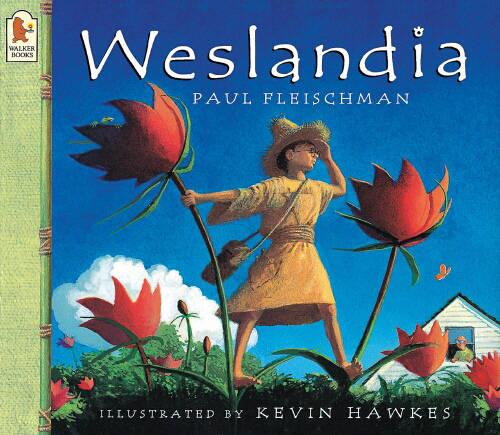
A free copy of the Mentor Text is provided at the expedition: Weslandia by Paul Fleischman
Vocabulary Voyage
The P4 Early Settlers thematic unit is built around the mentor text Weslandia by Paul Fleischman, supporting ELA curriculum-aligned literacy learning alongside an experiential school visit with AgraLiving as part of the Horizons Programme.
The Vocabulary Voyage offers a set of optional resources designed to enrich language learning in an engaging and practical way. Three short, flexible vocabulary activities encourage pupils to develop language through through small-group discussion, collaboration and creative thinking. Two additional independent writing tasks, linked to the theme of the unit, provide structured opportunities for pupils to apply new vocabulary in meaningful written contexts.
These resources ssupport oral language development, vocabulary growth, comprehension, and writing skills, while remaining easy to incorporate into short literacy blocks or small pockets of classroom time.
Mini Activities
Writing Activities
Mentor Text
Teacher Information